One Trail Cam Pic in August: The Quiet Signal of a Buck’s Fall Range
Trail Camera Placement Tips by Month
One Trial Cam Pic in August: The Quiet Signal of a Buck’s Fall Range
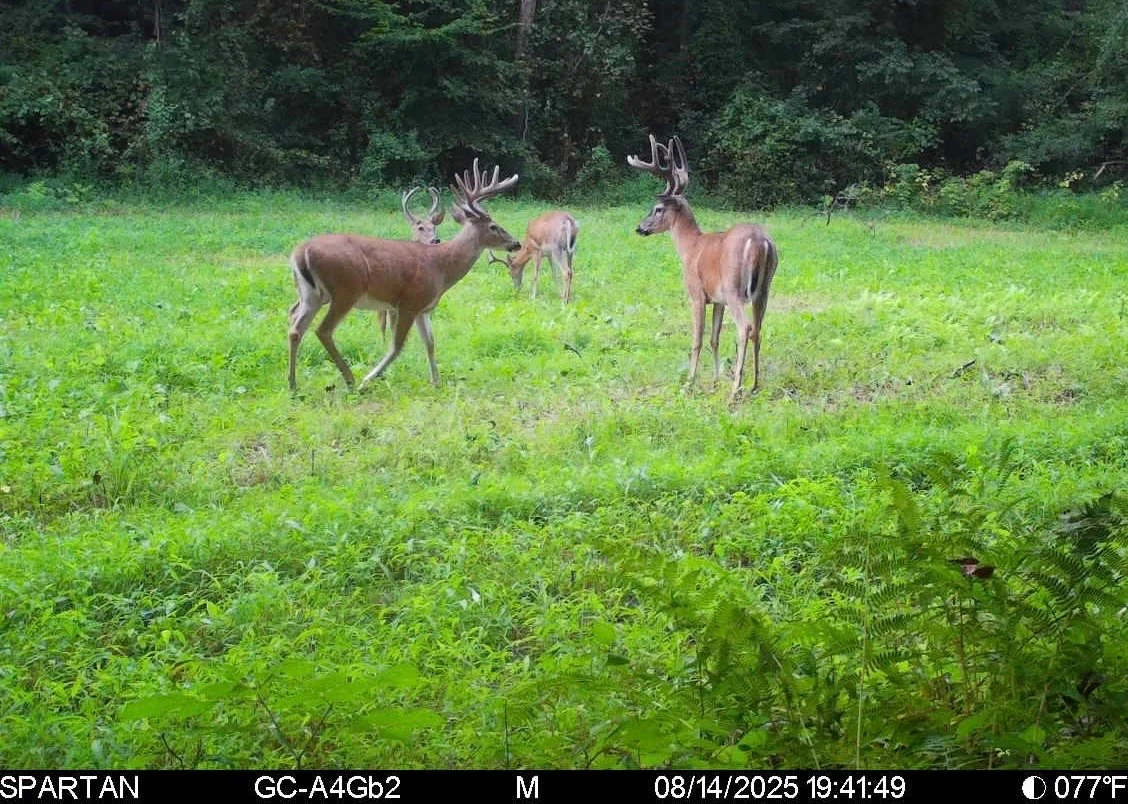
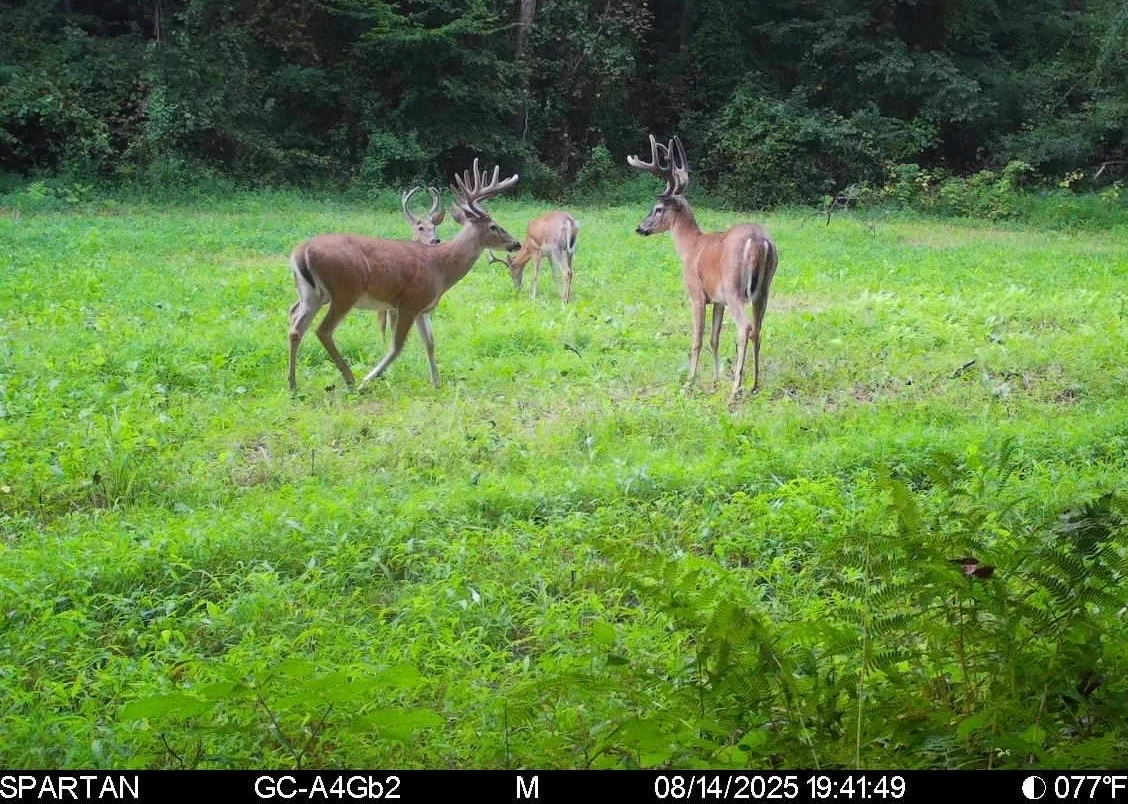
If you’ve spent much time studying trail cameras, you’ve probably noticed a quiet window in early to mid-August. A buck that hasn’t been on your property all summer suddenly shows up for one or two photos—then vanishes. Weeks later, in late September or October, he settles into that same area as his fall range.
This isn’t random. Many mature bucks maintain distinct summer and fall core areas. As testosterone rises and bachelor groups begin to break, some make a brief reconnaissance into the ground they’ll use once velvet sheds and fall food sources (acorns, remaining crops, thicker cover) take over. That short mid-August appearance is often the first sign he’s claiming the spot for the months ahead.
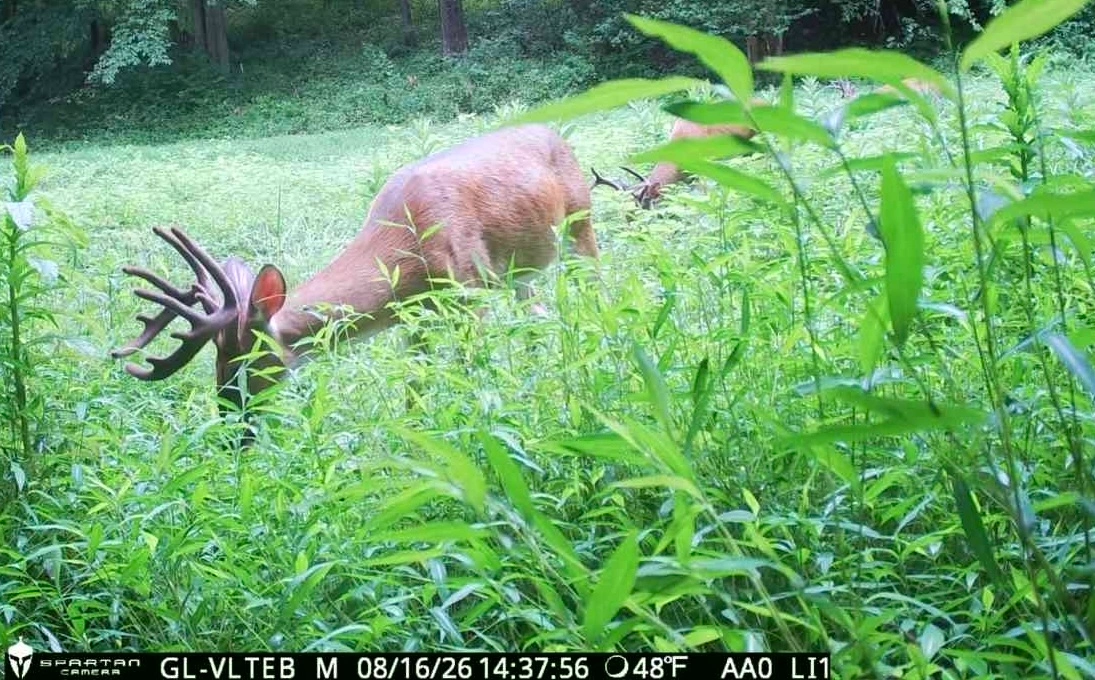
Hunters who pay attention to these early, sparse photos gain a valuable head start. Instead of waiting for the full transition in September, you already know which bucks are likely to show up where when patterns shift. Keep cameras running on potential fall travel corridors, staging areas near hard mast, and known fall bedding edges during this period. When that single photo of a new or returning buck appears, note the date and location—it frequently predicts where he’ll be hunting season.
Not every buck does this, but when it happens, those one or two mid-August images are rarely coincidence. They’re often the first quiet announcement that a buck has started checking the neighborhood he’ll call home later in the fall
Trail Camera Placement Tips by Month:
August
Focus on summer patterns: edges of warm-season bedding, staging areas just off food, field edges (soybeans, clover, alfalfa), and isolated water sources. This is also the window when that single “first round” photo of a fall-range buck often appears.
September
Keep cameras on remaining summer bedding and food while shifting toward early fall sources. Prioritize white oak acorns, soft mast (persimmons, early apples), staging areas, and both summer and emerging fall bedding.
October
Move deeper into cover. Target fall bedding areas, community scrapes, funnels and pinch points, white and red oak acorns, staging areas, and secondary trails. Bucks are settling into fall ranges and beginning to mark territory.
November
Shift hard toward the rut. Place cameras on doe bedding areas, buck bedding, community scrapes, funnels, pinch points, saddles, and travel corridors between doe groups. Continue monitoring hard mast, browse, and water.
These placements keep you ahead of the seasonal shifts—and help you catch those quiet mid-August signals before the real action starts.
“Camera placement tips summarized from HuntStand’s monthly scouting guide.”